When it comes to custom trophies, the material you choose plays a major role in how the trophy looks, feels, and lasts. Whether you’re supplying trophies for schools, sports leagues, or corporate events, understanding the most common materials is key to offering the right product for each client.
This guide explores the six most widely used trophy materials in the industry today. We’ll look at their strengths, limitations, and best use cases so you can make informed decisions when working with your clients.
Why Trophy Materials Matter
The material of a trophy affects more than just its appearance. It also influences its durability, cost, and how easy it is to customize. Some materials are better for detailed designs, while others offer a more affordable option for large orders. Understanding the differences helps you match the right material to each event and client. It also allows you to explain the value of each choice and guide your customers toward the best solution.
The 6 Most Popular Trophy Materials
Metal Trophies
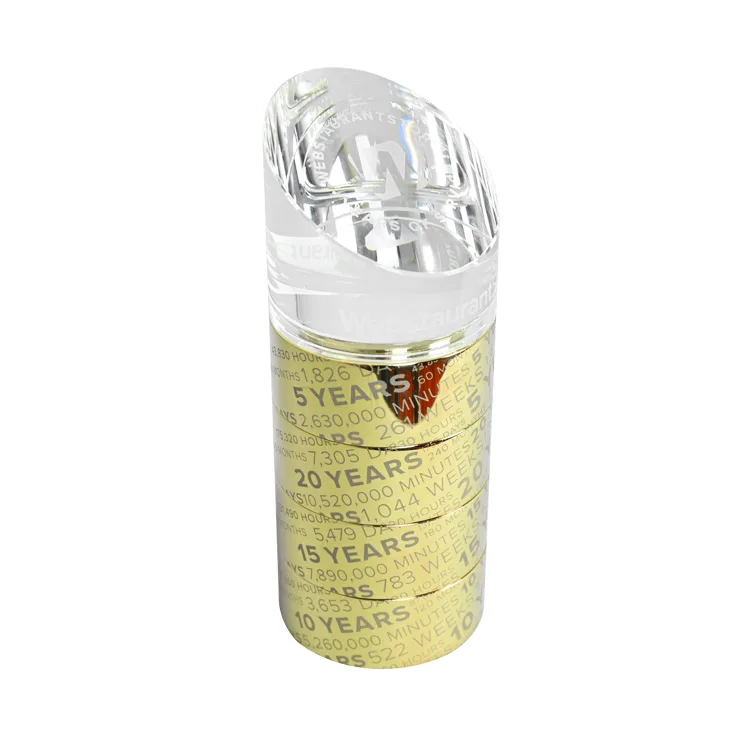
Metal is one of the oldest and most respected materials used in trophy making. It gives a classic, high-end look and is known for its strength and lasting quality. Metal trophies are often used for awards that recognize lifetime achievement or major accomplishments. They can be polished to a high shine or plated in gold, silver, or bronze to reflect traditional award levels. Because of their weight and durability, metal trophies are often seen as premium products. However, they are also more expensive and require skilled craftsmanship to produce. This makes them best suited for clients who are looking for a prestigious, long-lasting award.
Wooden Trophies
Wood has been used in trophy making for centuries. It offers a natural and timeless appearance that many clients find appealing. Wooden trophies can be made in a variety of sizes and styles, and they are easy to engrave with names, dates, and logos. This makes them a popular choice for academic awards, community events, and recognition programs. Wood can also be finished in different ways to match the tone and style of the event. If sourced responsibly, wood is also an eco-friendly option. However, it does require proper treatment to prevent warping or cracking over time. For businesses that serve schools or local organizations, wooden trophies are a strong option that balances tradition with customization.
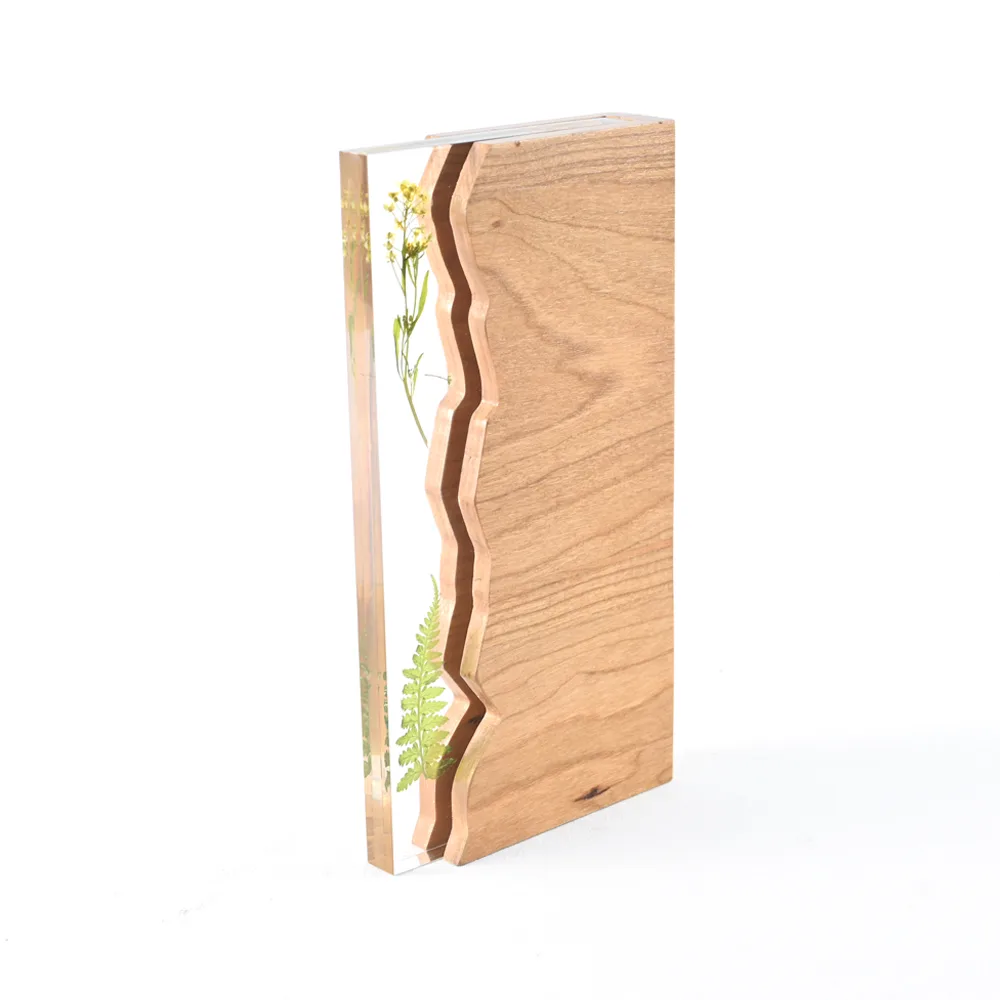
Acrylic Trophies
Acrylic is a modern and versatile material that looks similar to glass but is much lighter and more durable. It is often used for awards that need to be shipped or handled frequently. Acrylic trophies can be cut into many shapes and sizes, and they are available in a range of colors and finishes. They can also be engraved or printed with logos and text, making them highly customizable. One of the main benefits of acrylic is its affordability. It offers a clean, professional look without the high cost of crystal or glass. This makes it a great option for budget-conscious clients who still want a modern and attractive award. Acrylic trophies are especially popular for corporate events, school competitions, and sports leagues.
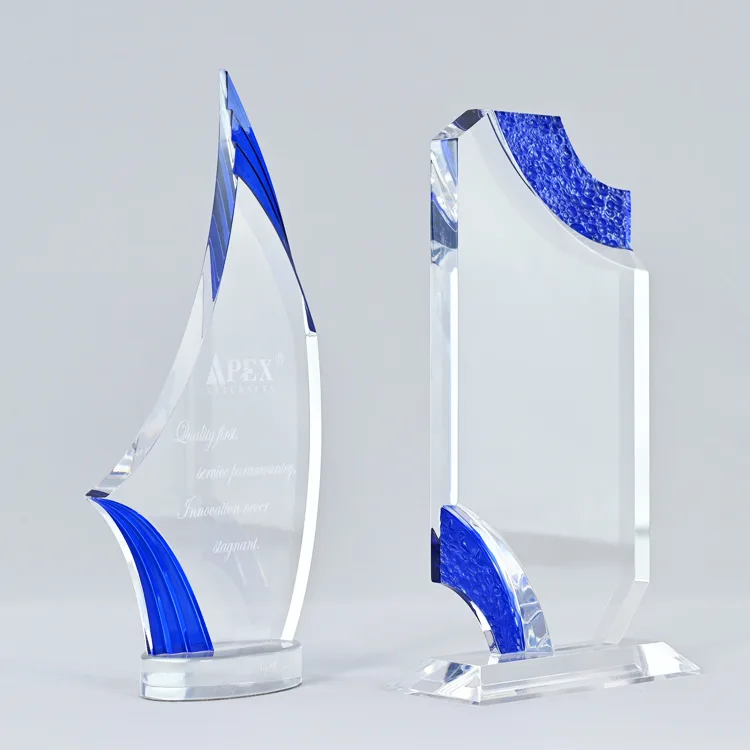
Glass Trophies
Glass trophies have a clean, elegant look that is often associated with formal recognition events. They can be cut into many shapes and sizes, and they allow for laser engraving and etching. This makes them ideal for awards that need to include detailed text or logos. Glass trophies are often used for corporate recognition programs, academic awards, and special ceremonies. They have a professional and polished appearance that many clients find appealing. However, they are also heavier and more fragile than other materials, which can increase shipping costs and handling concerns. Despite these challenges, glass trophies remain a popular choice for clients who want a refined and classic design.
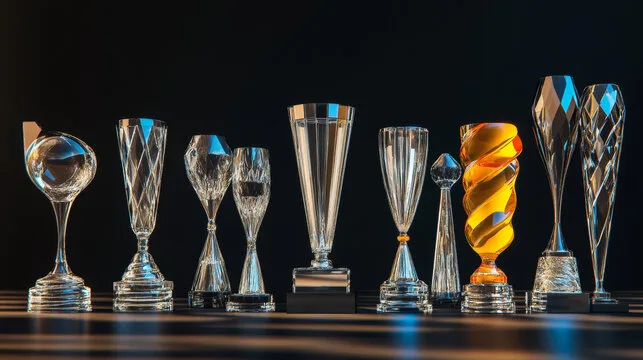
Crystal Trophies
Crystal is the premium option among trophy materials. It is a type of glass that contains added minerals, giving it a higher clarity and reflective quality. Crystal trophies have a luxurious appearance and are often used for executive recognition, lifetime achievement awards, and high-end events. They can be engraved with great detail and are known for their ability to catch and reflect light beautifully. Because of their premium look, crystal trophies are often seen as the most prestigious option. However, they are also the most expensive and require careful handling due to their fragility. Production times for crystal trophies are typically longer, which is an important consideration for clients with tight deadlines.
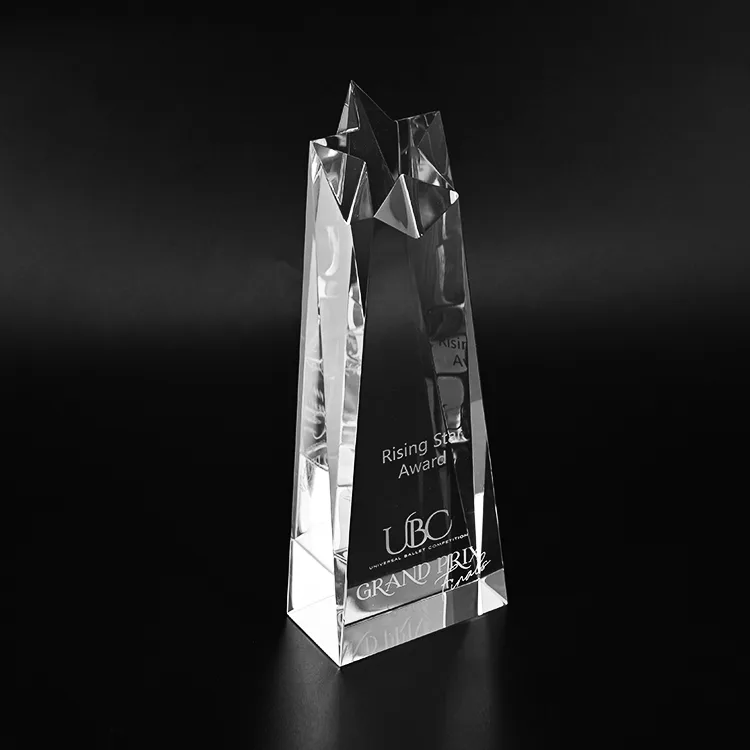
Resin Trophies
Resin is a cost-effective material that allows for a high level of detail in trophy design. It is often used to create figurines, sports icons, and themed awards. Resin trophies can be painted in many colors and finished to look like metal or stone without the added weight. This makes them a popular choice for youth events and sports leagues where safety and affordability are important. Resin is also easy to mold, which means it can be used to create custom designs that match the theme of an event or organization. While resin trophies are not as durable as metal or glass, they offer a good balance between price and appearance. For businesses that serve schools or community groups, resin is a practical and flexible option.
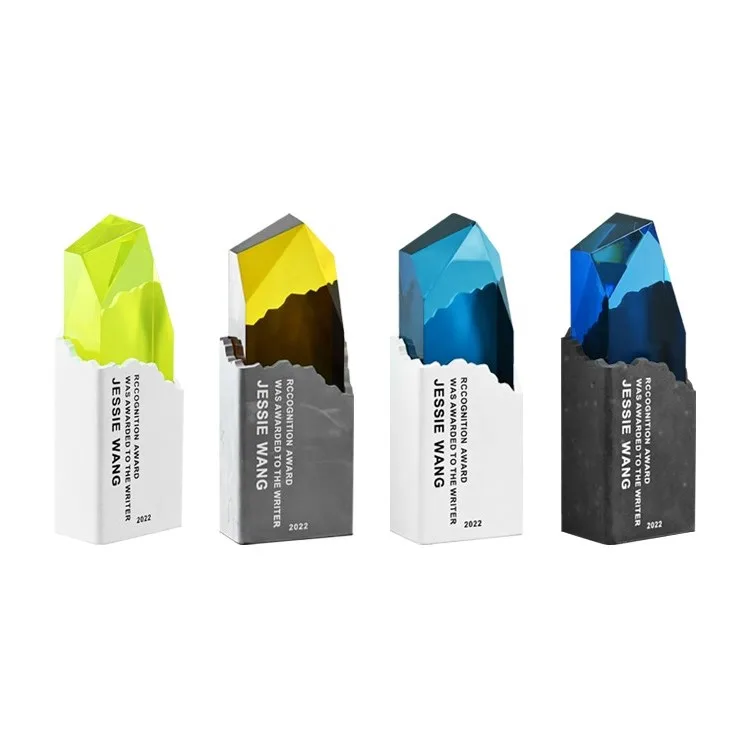
Comparison of Trophy Materials
| Material | Durability | Cost Level | Customization | Best For | Notes |
|---|---|---|---|---|---|
| Metal | Very High | High | High | Executive awards, lifetime achievement, corporate events | Durable, prestigious, heavy; higher production and shipping costs |
| Wood | High | Medium | High | Schools, community events, eco-conscious clients | Natural look, easy to engrave; best when sustainably sourced |
| Acrylic | Medium | Low | High | Budget-friendly events, indoor displays, corporate gifts | Lightweight, modern, shatter-resistant; can scratch if not handled carefully |
| Resin | Medium | Low | Very High | Youth sports, themed awards, large orders | Highly detailed, colorful, safe; less durable than glass or metal |
| Glass | High | Medium to High | High | Academic awards, formal recognition, corporate ceremonies | Elegant and classic; fragile and heavier, requires careful packaging |
| Crystal | High | Very High | Very High | Executive recognition, high-end galas, premium clients | Luxurious finish, excellent light refraction; most expensive and delicate |
While each material has its own strengths, it’s helpful to compare them side by side to understand which one may be best for a particular situation.
Metal and crystal trophies are the most expensive and are best suited for high-end clients.
Wood and glass offer a balance between cost and appearance, making them good for formal or traditional events.
Acrylic and resin are more affordable and easier to work with, which makes them ideal for large orders or events with limited budgets. The choice of material should always reflect the client’s goals, budget, and the event’s tone.
How to Choose the Right Trophy Material
1. Budget
When helping your clients choose a trophy material, there are several factors to consider. The first is budget. If your client has a limited budget, acrylic or resin may be the best options. For mid-range budgets, wood or glass can offer a good balance between cost and appearance. For premium clients, metal or crystal trophies will meet expectations for quality and prestige.
2. Event
The second factor is the type of event. Corporate events often call for glass or crystal trophies to match the professional tone. Sports leagues and youth events may benefit from resin or acrylic trophies, which are more affordable and safer to handle. Academic awards can be made from wood, acrylic, or glass, depending on the desired look and budget.
3. Design and Customization
Design and customization are also important. If the client wants a detailed design or specific colors, resin or acrylic may be the best choices. For engraved text or logos, glass and crystal offer excellent clarity and precision.
4. Durability
Durability and use are another key consideration. Outdoor events may require materials that can withstand the elements, such as acrylic or metal. For long-term display, glass, metal, or wood are more durable options.
5. Sustainability
Finally, if sustainability is a concern, wood and recycled resin can be good choices. Sourcing materials responsibly can help your clients meet their environmental goals while still providing high-quality awards.
Conclusion
Choosing the right trophy material is about more than just appearance — it’s about meeting your client’s needs, budget, and event goals. Each material has its own unique qualities and best-use cases. By understanding these differences, you can offer the right solution for every situation. Whether it’s a high-end crystal award for a corporate client or a colorful resin trophy for a youth sports event, the right material makes all the difference.
If you’re looking for a reliable supplier of custom trophies in a variety of materials, we’re here to help. With years of experience in the industry, we offer competitive pricing, fast turnaround times, and expert support to help you meet your clients’ expectations.
Contact us today to discuss your next order or request a sample pack of our most popular trophy materials.