Custom trophies are more than just awards—they symbolize recognition, achievement, and pride. Whether for schools, companies, sports leagues, or community events, choosing the right material is essential for both function and appearance. Among the most popular options are acrylic, crystal, and metal trophies. Each comes with its own strengths and limitations. This article compares these three materials across key factors such as weight, safety, customization, cost, durability, and aesthetics to help you make the right choice for your next order.
Overview of Materials
Before diving into details, let’s start with a quick overview. Acrylic trophies are lightweight, versatile, and budget-friendly. Crystal trophies are elegant and prestigious but fragile and expensive. Metal trophies are classic and durable, often associated with tradition and sports. Understanding these differences sets the stage for a deeper comparison.
Weight & Portability: Acrylic Wins on Ease
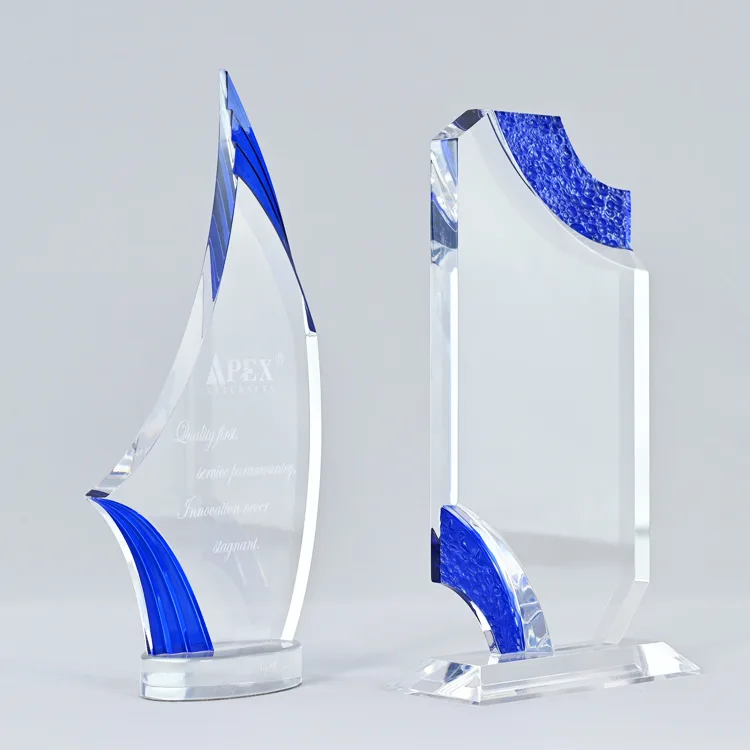
One of the most practical considerations in trophy selection is weight. Acrylic trophies are much lighter than crystal or metal. For example, a 12-inch acrylic trophy may weigh just 1–2 pounds, while a similar crystal piece can weigh 4–6 pounds, and a metal version can reach 5–8 pounds.
This difference matters for events where winners must carry trophies home, such as school ceremonies or business galas. It also reduces shipping costs for bulk orders. By contrast, heavy crystal or metal awards can be harder to transport and may require extra packaging or display support. For portability, acrylic is the clear leader.
Safety & Handling: Acrylic Is the Safer Choice
Safety is especially important when trophies will be handled by children or displayed in busy areas. Acrylic trophies are shatter-resistant, meaning they won’t break into sharp pieces if dropped. At worst, they may crack or chip, making them far safer than glass-like crystal.
Crystal trophies, while beautiful, are fragile. A single fall can turn them into dangerous shards. Some lead crystal options also raise concerns if damaged. Metal trophies avoid breakage but may have sharp edges if poorly finished, and their heavy weight can cause injury if dropped. For safety, acrylic once again provides the most peace of mind.
Customization & Design Flexibility: Acrylic Is the Most Versatile
Another critical factor in choosing a trophy material is how well it adapts to customization. Acrylic excels in this area. It supports laser engraving, screen printing, and UV printing, all of which produce sharp and professional results. Full-color UV printing is especially popular for branded awards.
When it comes to shaping, acrylic can be cut, bent, or molded into nearly any design—from classic plaques to creative 3D figures. Crystal is much harder to shape without risk of breakage, which limits design options to standard blocks or figurines. Metal allows for unique designs through casting, but this process is time-consuming and costly.
Color is another advantage. Acrylic comes in clear, frosted, opaque, or even neon finishes. Crystal is mainly clear with limited tinted options, while metal is restricted to its natural tones or coatings that may wear over time. For creative flexibility, acrylic is unmatched.
Cost-Effectiveness: Acrylic Balances Quality and Price
Budget is always a concern for bulk orders. Acrylic trophies offer the best balance of affordability and quality. A custom 8-inch acrylic trophy may cost around $20–40, with further discounts for larger orders. This makes acrylic ideal for schools, small businesses, and community events.
Crystal, on the other hand, is far more expensive. The same 8-inch crystal award may cost $50–100 or more, not including special shipping protections. Metal trophies are also more costly, generally ranging from $40–80 depending on complexity. For cost-effectiveness, especially at scale, acrylic provides the best value.
Durability & Maintenance: Acrylic Is Long-Lasting Without Extra Care
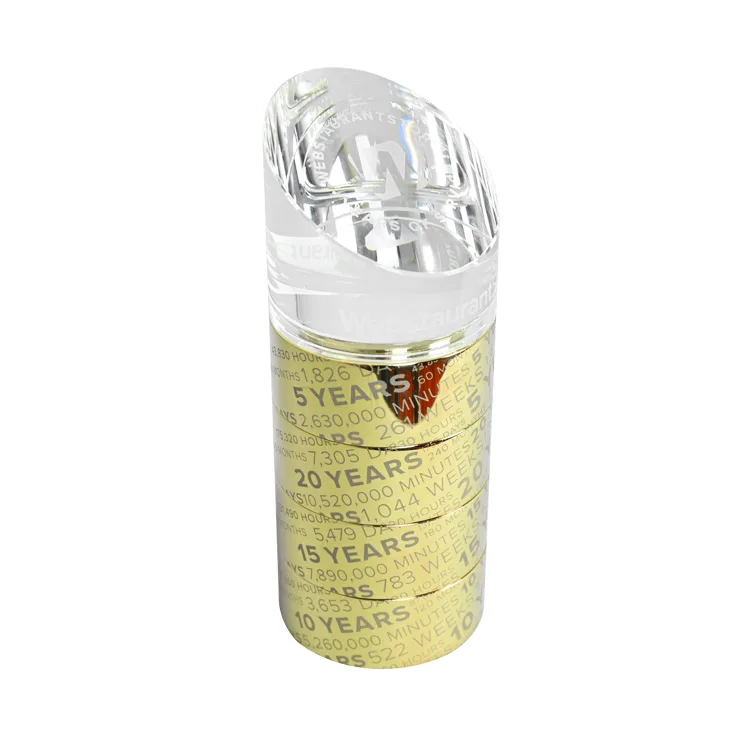
A trophy should last for years as a reminder of achievement. Acrylic scores high here because it resists scratches, does not tarnish, and will not rust. With basic care—such as wiping with a soft cloth and keeping it away from harsh chemicals—acrylic trophies can look new for decades.
Crystal, while visually stunning, is prone to scratches and chips. Improper cleaning can also lead to cloudiness over time. Metal trophies are generally sturdy, but materials like brass or copper may tarnish and require frequent polishing. Stainless steel and aluminum are better, but still vulnerable to marks or corrosion. Overall, acrylic offers the easiest durability with minimal maintenance.
Aesthetics & Style: Acrylic Offers the Most Versatility
Looks are subjective, but flexibility matters when matching a trophy to an event. Acrylic can mimic the elegant, glass-like appearance of crystal or take on bold, modern designs with color and lighting effects. It can also be paired with wood or metal bases for a premium look.
Crystal is best suited for high-end, formal occasions thanks to its sparkling finish. However, its limited design options may feel outdated for modern brands. Metal trophies carry a traditional charm, making them ideal for sports championships or heritage-themed awards, but they may appear too industrial for creative or corporate events. Acrylic’s adaptability makes it suitable for almost any occasion.
When to Choose Crystal or Metal Instead of Acrylic
Although acrylic is the best choice for most custom trophy needs, there are times when crystal or metal may be more suitable. Choose crystal if you are presenting a prestigious award, such as a CEO recognition or lifetime achievement honor. Crystal works best in settings where luxury outweighs practicality.
Choose metal if the trophy will be passed down annually, such as in a sports championship, or when intricate cast details are required. Metal also fits well with events that embrace tradition or have an industrial theme.
Final Verdict: Acrylic Trophies Lead in Most Cases
After comparing acrylic, crystal, and metal trophies across all factors, acrylic clearly emerges as the most practical option for most events. It is lightweight, safe, easy to customize, cost-effective, durable, and versatile in appearance. Whether for schools, businesses, or sports leagues, acrylic trophies deliver exceptional value without compromising on quality or design.
Tips for Ordering Custom Acrylic Trophies
To get the most from your acrylic trophy order, keep these best practices in mind:
- Choose thicker acrylic (at least 1/4 inch) for larger designs.
- Use laser engraving for a professional, long-lasting finish.
- Add a wood or metal base for stability and a premium look.
- Consider UV printing or colored acrylic for standout branding.
Work with an experienced acrylic trophy manufacturer to ensure quality and timely delivery.
Conclusion
In the debate of acrylic vs. crystal vs. metal trophies, acrylic consistently proves to be the most versatile and cost-effective choice. It combines the elegance of crystal with the durability of metal, all while remaining affordable and customizable. For most award needs, from local events to corporate recognition, acrylic trophies are the smart investment.
If you are looking for a reliable partner to bring your award designs to life, APEX is a professional acrylic trophy manufacturer that delivers high-quality custom solutions tailored to your needs.